
Galerie d'art Stewart Hall
September 13 to November 1, 2026
Exhibition manager: Manel Benchabane
176 chemin du Bord-du-Lac-Lakeshore
Pointe-Claire, QC H9S 4J7
514.630.1254 ex 1778
galerie.stewarthall@pointe-claire.ca
https://www.pointe-claire.ca/bibliotheque-culture-sports-et-loisirs/culture-et-bibliotheque/galerie-dart-stewart-hall
Exposition :
The Unspeakable Compromise Studio 101
Maude Deslauriers, Karine Fréchette, Zoe Koke, Carl-Philippe Simonise, Jessica Wee, Jinny Yu
Curator: eunice bélidor
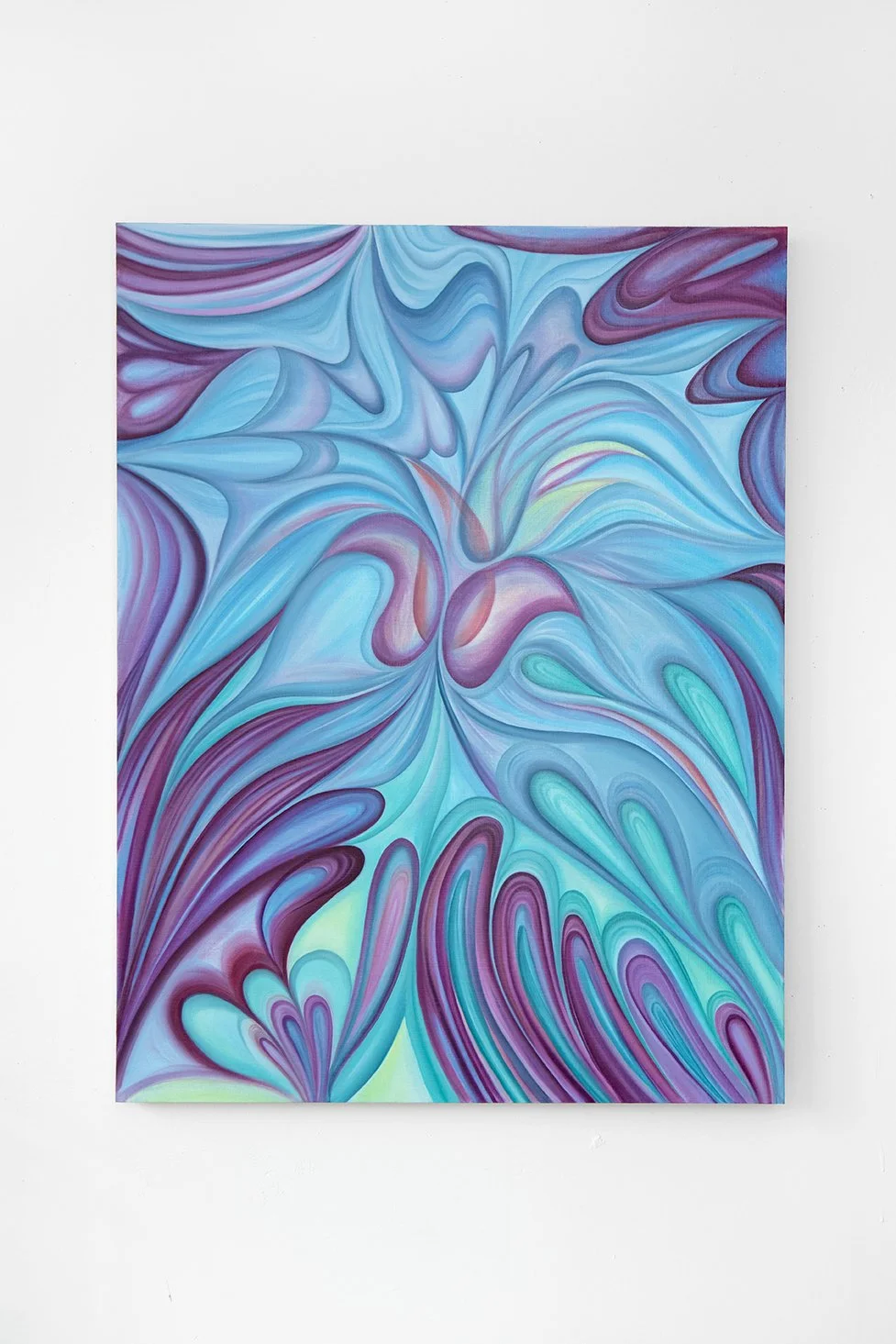
Maude Deslauriers: Eau vive, 2026 huile, flashe sur lin marouflé sur panneau de bois / oil and gouache on linen mounted on a wooden panel 127 x 96.5 cm
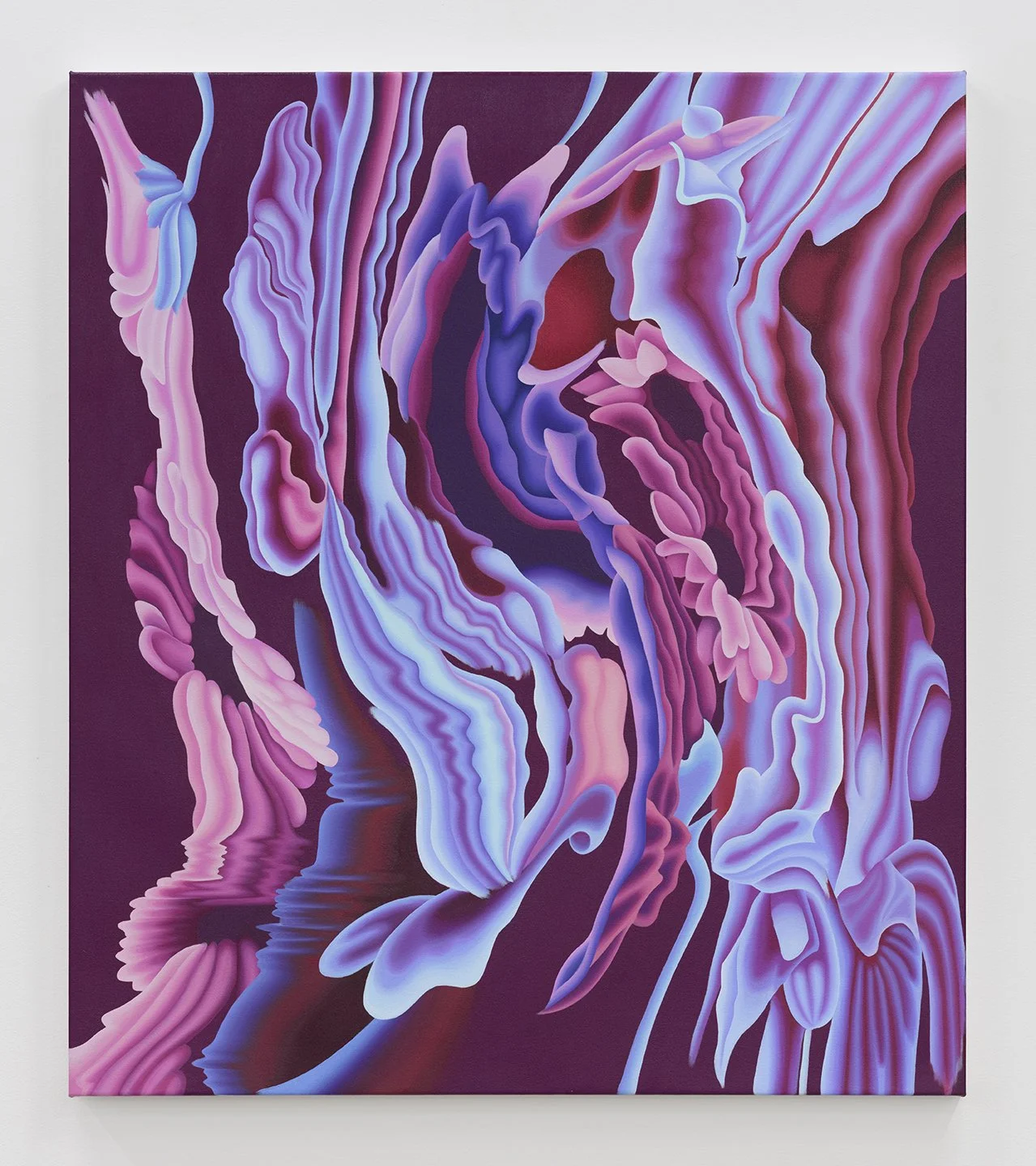
Karine Fréchette: Au jardin des miroirs tordus Vanité 5 ( lys, roses et gerberas ), 2025 acrylique sur toile / acrylic on canvas 152.4 x 167.64 cm
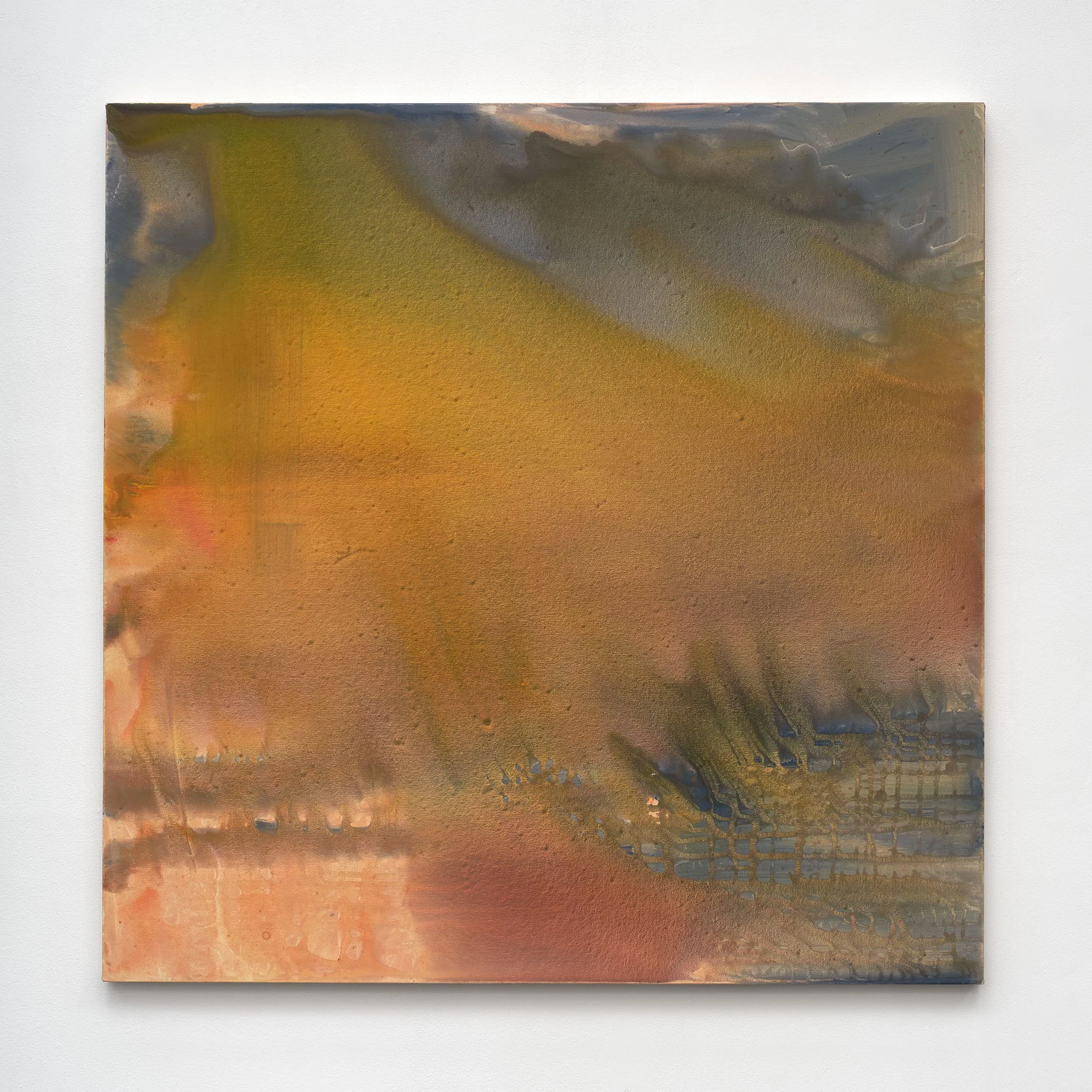
Zoe Koke: Rainbow, 2025 acrylique sur toile / acrylic on canvas 101.6 x 101.6 cm
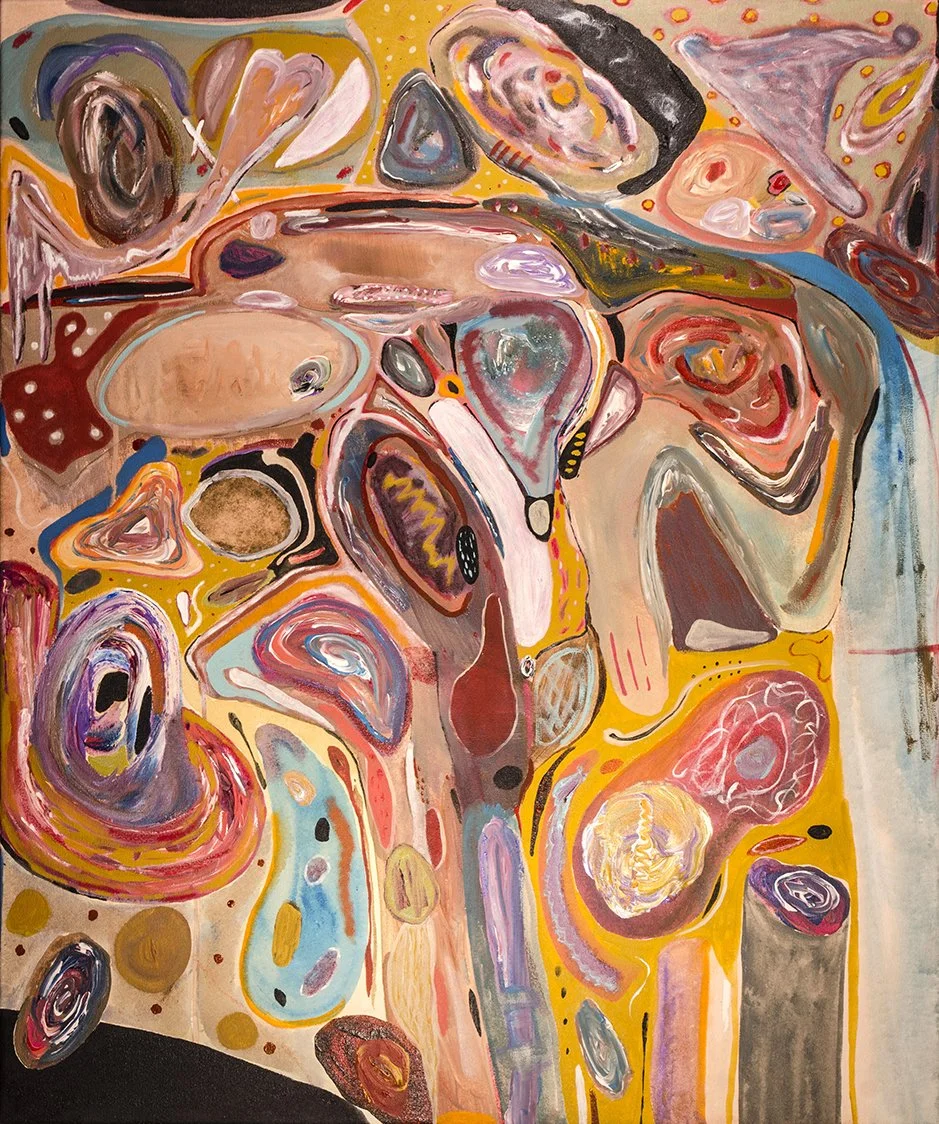
Carl-Philippe Simonise: Saint-Germain, 2022 acrylique et pastel sur toile / acrylic and pastel on canvas 91.44 x 81.3 cm
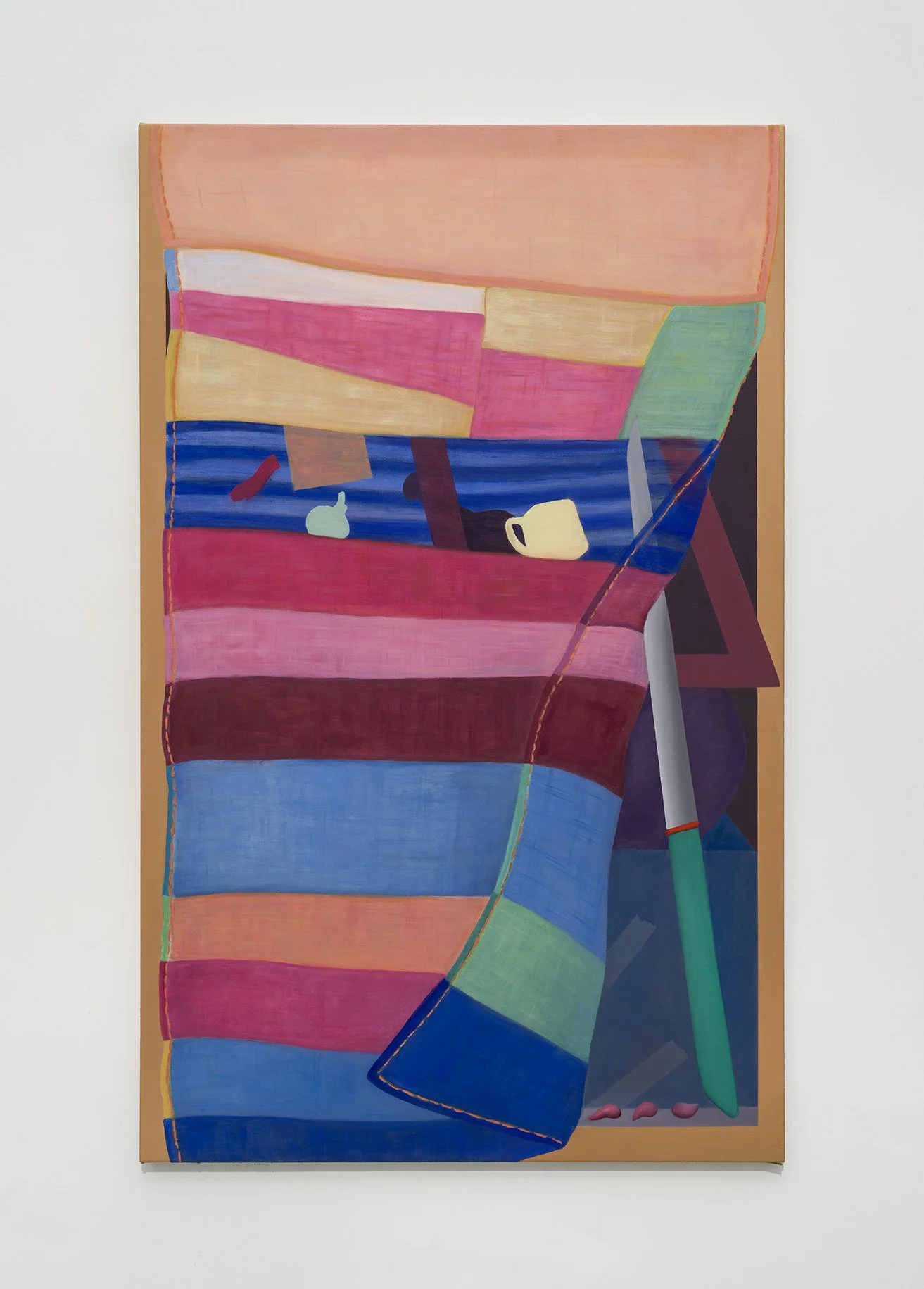
Jessica Wee: Bojagi Revealing, 2026 huile sur toile / oil on canvas 101.6 x 63.5 cm
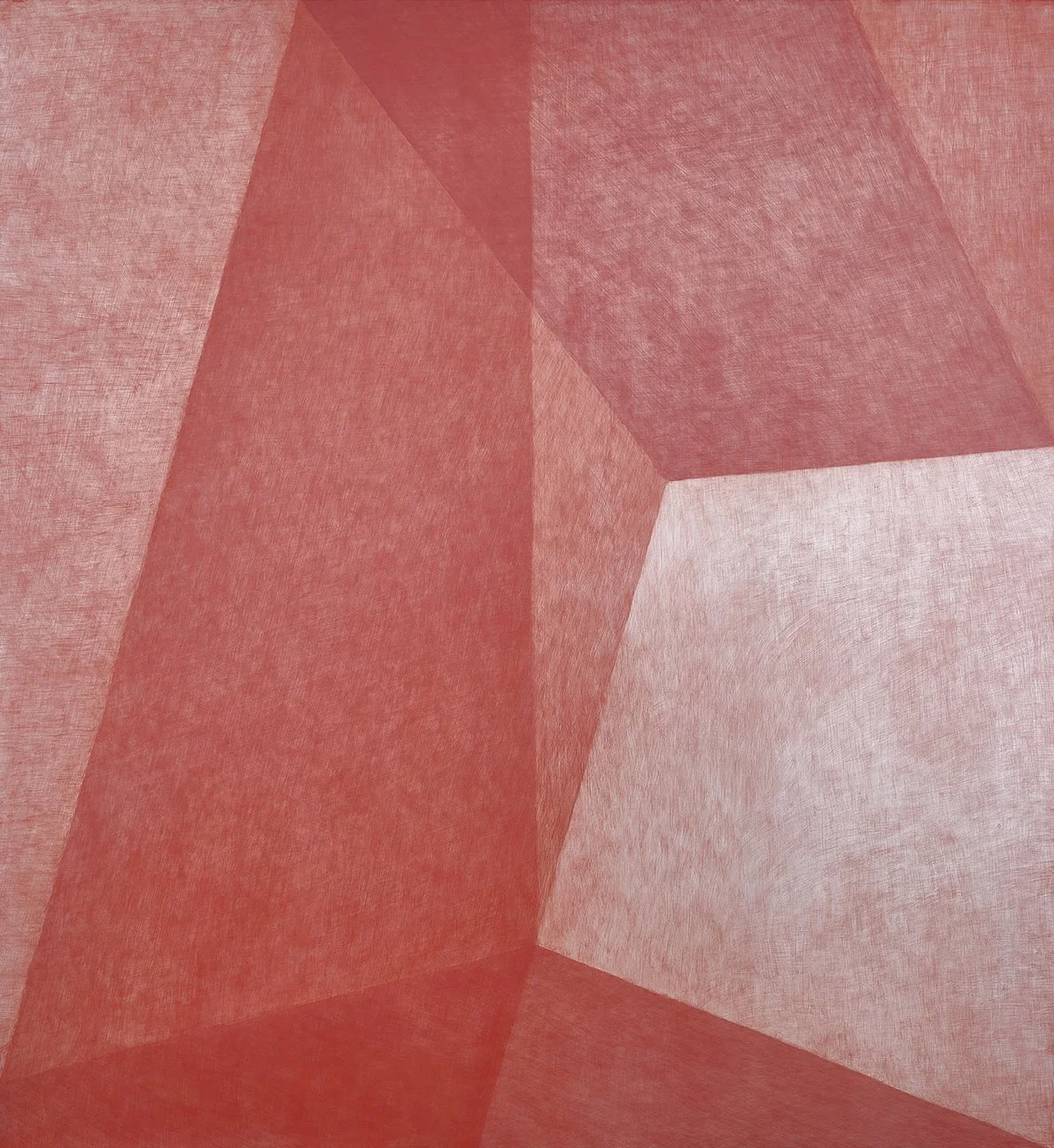
Jinny Yu: Inextricable Ours 25-01, 2025 huile sur aluminium / oil on aluminum 152.4 x 139.7 cm
Studio 101, the first exhibition of this edition, is presented at the Stewart Hall Art Gallery in Pointe-Claire. Located on the third floor of the former residence of the Scottish Clan MacLean, designed by the Scottish architect Robert Finlay, the gallery is a perfect space for highlighting different ways of perceiving colours, various viewing and visual distortion apparatuses, and the natural and artificial elements that influence our gaze. The mansard roof, the windows facing Lake Saint-Louis, the brick walls, and the wood beams are interesting characteristics for the exhibiting artists whose paintings interconnect the natural, scientific, and political worlds. To make her paintings and introduce visual distortions, Karine Fréchette uses optical tools such as lenses, convex mirrors, and reflective Mylar. In her Vanités series, she considers the representation of the living world, in this case flowers, through a constant stream of images and sounds drawn from Web 2.0. Her interest in the light emanating from digital screens gives her painting an electric charge and palette. During a studio visit, Fréchette told me that she prefers working in the evenings and at night under neon lights, which help her to perceive colours more accurately unlike the ever-changing natural daylight. The use of tools to enhance perception also finds resonance in Maude Deslauriers’s work. During our last studio visit, she told me about the Hockney-Falco thesis (1999 and 2000), which argues that advances in naturalism and accuracy of representation in botanical drawings were due to optical technologies such as camera obscura, camera lucida, and convex mirrors. Deslauriers is also interested in the way in which pollinators perceive the colours of flowers. Her work explores the intersection between the body, consciousness, and the natural world. What’s more, she has had to move studios several times since we started considering her participation in Pictura: from Rue Chabanel to Avenue Casgrain then to the Villeray neighbourhood, the idea of the studio as a personal creative space has been disrupted more than once. For the artists in this exhibition, the studio is a research lab, a space where they can develop an art practice combined with scientific research. Carl-Philippe Simonise has been a studio nomad ever
since I’ve known him. They were able to work rigorously on many paintings when they were at Fonderie Darling for a few months in preparation for the exhibition Black Summer ’91, and they were able to sublet Manuel Mathieu’s studio while he was at a residency. Simonise often draws inspiration for their work from the place in which they create it, while also using their photographic and cinematographic eye, having worked in these areas even before they began making abstract expressionist paintings about a decade ago. The painting practices of Jessica Wee and Jinny Yu focus on different ways of navigating between cultures and places. Wee’s work combines her personal experience, art historical references, fantasy, and aspects drawn from the vernacular architecture of her various living environments. Playful and mischievous elements are integrated into genre paintings inspired by her daily life. Yu is interested in the world around her, reflecting on the roles of guest and host. Installing her work in the architecture of Stewart Hall fosters this duality: we enter into her work space, and she is hosted by the gallery. In the studios of Wee and Yu, references or roles that appear to be binary and distinct are easily combined. Lastly, Zoe Koke’s approach wonderfully links the art practices of all these artists. Her work explores landscape and materiality as places for mental projection, in which the natural world becomes a vehicle to an inner life. Currently based in Los Angeles, Koke presents landscape paintings based on the devastating fires that took place in California in 2025. The Stewart Hall Art Gallery opens the doors to a studio in which the artists’ gazes are magnified by technological, natural, and social tools, a studio that protects and influences them, but also authorizes them to apply a broad range of interests.
essay excerpt by eunice bélidor